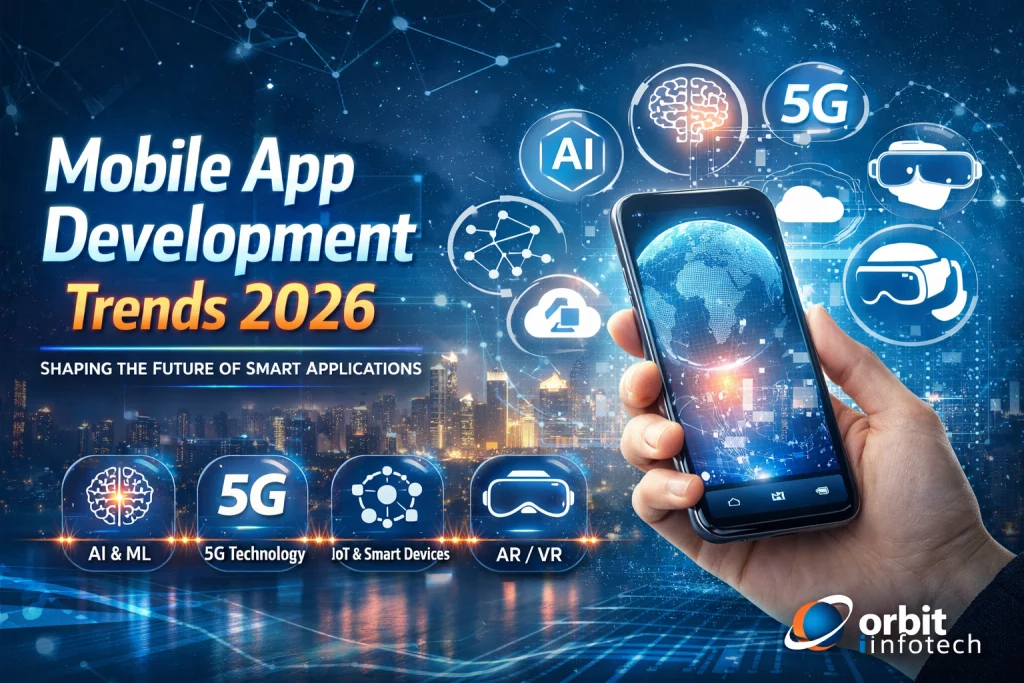
Mobile App Development Trends 2026: The Future of Smart Mobile Applications
Mobile apps have become an essential part of everyday life. From shopping and banking to entertainment and healthcare, mobile applications are transforming how people interact with technology. As we move into 2026, the mobile app industry continues to evolve rapidly with new technologies, smarter user experiences, and innovative development approaches.
Businesses that want to stay competitive must understand the latest mobile app development trends shaping the future of digital products. In this guide, we explore the top mobile app development trends in 2026 that are redefining how apps are built and used.
1. AI-Powered Mobile Applications
Artificial Intelligence (AI) is no longer a futuristic concept—it is now a core part of modern mobile applications. In 2026, AI-driven features are becoming standard in many apps.
Key AI Features in Mobile Apps
-
AI Chatbots and Virtual Assistants
-
Personalized Recommendations
-
Voice Recognition
-
Smart Image Processing
AI allows apps to analyze user behavior and deliver personalized experiences. For example, eCommerce apps can recommend products based on browsing habits, while health apps can monitor fitness data and provide intelligent insights.
Companies like orbit infotech are already integrating AI-powered features to create more intuitive and intelligent mobile applications for businesses.
2. Rise of 5G-Powered Mobile Experiences
The global expansion of 5G technology is transforming the mobile ecosystem. With ultra-fast internet speeds and low latency, 5G enables mobile apps to deliver high-performance experiences.
Benefits of 5G in Mobile App Development
-
Faster app loading times
-
Seamless video streaming
-
Improved real-time gaming
-
Enhanced AR and VR experiences
Developers can now build more complex and data-intensive apps without worrying about network limitations.
3. Growth of Super Apps
Super Apps are becoming increasingly popular in 2026. These are applications that combine multiple services into a single platform.
Examples of Super App Features
-
Messaging
-
Online payments
-
Food delivery
-
Ride booking
-
Shopping
Instead of installing several apps, users can access many services in one place. This trend is especially popular in Asian markets and is expanding globally.
Businesses are now focusing on building multi-service mobile platforms to increase user engagement and retention.
4. Internet of Things (IoT) Integration
The Internet of Things (IoT) is creating a connected digital ecosystem. Mobile apps are becoming the control centers for smart devices.
Popular IoT Mobile Applications
-
Smart home control apps
-
Wearable device apps
-
Healthcare monitoring apps
-
Smart vehicle applications
In 2026, more mobile apps will connect with IoT devices to provide seamless automation and real-time monitoring.
For example, users can control lighting, temperature, and security systems directly from their smartphones.
5. Augmented Reality (AR) and Virtual Reality (VR)
AR and VR technologies are transforming how users interact with mobile apps.
AR/VR Use Cases in Mobile Apps
-
Virtual shopping experiences
-
Real estate property tours
-
Gaming and entertainment
-
Education and training simulations
Retail brands are using AR to allow customers to virtually try products before purchasing, improving customer confidence and reducing return rates.
As AR frameworks become more accessible, developers are integrating immersive experiences into everyday mobile applications.
6. Cross-Platform App Development
Cross-platform development is gaining massive popularity in 2026. Instead of building separate apps for Android and iOS, developers now create apps that run on multiple platforms using a single codebase.
Benefits of Cross-Platform Development
-
Faster development time
-
Reduced costs
-
Easier maintenance
-
Consistent user experience
Popular frameworks include:
-
Flutter
-
React Native
-
Xamarin
These technologies help businesses launch apps quickly without compromising performance.
7. Mobile App Security and Privacy
As mobile apps collect more personal data, security has become a top priority for developers and businesses.
Key Security Trends in 2026
-
Biometric authentication (fingerprint, face recognition)
-
End-to-end encryption
-
Secure payment gateways
-
Advanced data protection protocols
With rising cyber threats, companies must ensure their mobile apps follow the highest security standards to protect user data.
8. Cloud-Based Mobile Applications
Cloud technology is transforming how mobile apps store and process data.
Advantages of Cloud Integration
-
Reduced server costs
-
Real-time data synchronization
-
High scalability
-
Improved app performance
Cloud-powered apps allow users to access their data from multiple devices seamlessly.
Many businesses rely on cloud infrastructure to build scalable mobile solutions that support millions of users.
9. Voice Search and Voice Interfaces
Voice technology is rapidly gaining popularity in mobile applications.
Voice-Based App Features
-
Voice commands
-
Smart search functionality
-
Hands-free navigation
-
AI-powered assistants
Voice search improves accessibility and makes apps easier to use, especially for multitasking users.
In 2026, more apps will integrate voice-based user interfaces to provide faster and more convenient interactions.
10. On-Demand Mobile Apps
The on-demand economy continues to grow rapidly. Apps that provide instant services are becoming essential in many industries.
Popular On-Demand App Categories
-
Food delivery apps
-
Taxi booking apps
-
Healthcare consultation apps
-
Home service apps
Users now expect fast, convenient services directly from their smartphones.
Businesses that invest in on-demand mobile applications can significantly increase customer engagement and revenue.
Also Read this 10 Advanced Ecommerce SEO Tips That Boost Rankings and Revenue.
Why Businesses Should Follow Mobile App Trends
Staying updated with mobile app development trends helps businesses remain competitive in the digital market.
Benefits for Businesses
-
Better customer engagement
-
Improved brand visibility
-
Higher revenue opportunities
-
Enhanced customer experience
Modern users expect fast, secure, and personalized mobile experiences. Companies that adapt to the latest trends can deliver innovative apps that stand out in crowded marketplaces.
Technology companies like orbit infotech help businesses leverage these modern trends to build powerful, future-ready mobile applications.
Final Thoughts
The mobile app industry is evolving at an incredible pace. Technologies such as Artificial Intelligence, 5G, IoT, AR/VR, and cloud computing are shaping the next generation of mobile applications.
In 2026, businesses that embrace these trends will be able to create smarter, faster, and more engaging mobile experiences for their users.
Whether you’re a startup or an established enterprise, investing in innovative mobile app solutions can unlock new growth opportunities in the digital world.
As mobile technology continues to evolve, staying ahead of these mobile app development trends will be the key to building successful applications in the years ahead.
Frequently Asked Questions About Mobile App Development Trends in 2026
Q1. What are the biggest mobile app development trends in 2026?
Ans: The biggest mobile app development trends in 2026 include Artificial Intelligence integration, 5G-enabled applications, cross-platform development, IoT connectivity, AR/VR experiences, and cloud-based mobile apps. These technologies are transforming how mobile apps deliver faster, smarter, and more personalized user experiences.
Q2. How is AI impacting mobile app development?
Ans: Artificial Intelligence is enabling apps to provide personalized recommendations, chatbots, voice assistants, predictive analytics, and automation. AI-powered mobile apps can analyze user behavior and improve user engagement through intelligent features.
Q3. Why is 5G important for mobile apps?
Ans: 5G technology offers faster internet speeds, lower latency, and improved connectivity. This allows developers to create high-performance apps with real-time streaming, advanced gaming, and immersive AR/VR experiences.
Q4. What is cross-platform mobile app development?
Ans: Cross-platform development allows developers to build a single mobile application that runs on multiple operating systems such as Android and iOS. Frameworks like Flutter and React Native help businesses reduce development costs while maintaining consistent performance.
Q5. How does IoT affect mobile applications?
Ans: The Internet of Things (IoT) connects mobile apps with smart devices like wearables, home automation systems, and connected vehicles. Mobile apps act as control hubs, allowing users to monitor and manage devices remotely.
Q6. Are mobile apps becoming more secure in 2026?
Ans: Yes, mobile app security is improving with technologies like biometric authentication, encryption, secure APIs, and advanced cybersecurity protocols. These features help protect user data and prevent cyber threats.
Q7. Why should businesses invest in mobile app development in 2026?
Ans: Investing in mobile apps helps businesses increase customer engagement, improve brand visibility, offer personalized services, and generate more revenue. With modern technologies, mobile apps have become a powerful tool for digital growth.
Recent Comments